Name blend
Traylor
Parts of Taylor and Travis
Names, concepts, and tags
Blend two to five names into pairing labels, concept names, and copy-ready tags.
Create a two-name blend, an all-member group draft, a concept built from two traits, or a clear relationship tag.
Name blend
Parts of Taylor and Travis
Concept name
Two symbols with shared meaning
Relationship tag
Both names stay visible
Choose a format before forcing a blend
A ship name is a label for a pairing. It can combine letters, but many fandoms also use symbols, shared themes, initials, or both full names.
Taylor + Travis = Traylor
Best when both names still feel recognizable and the result is easy to say.
Nar + Sas + Sak = NarSasSak
Best as a draft when one shared label must retain material from three to five names. Clear slash or x formats remain safer fallbacks.
moon + fox = MoonFox
Best when two symbols, traits, colors, roles, or inside jokes say more than the names.
Taylor/Travis or Taylor & Travis
Best when names must stay visible. On AO3, slash means romantic or sexual; ampersand means non-romantic.
#TaylorAndTravis
Best for captions, shared accounts, wedding posts, and places where readability matters.
The generator gives you two-name blends, optional all-member group drafts, concept names built from two signal words, and copy-ready relationship formats. It does not choose a community standard for you. Search the relevant fandom before creating a competing label.
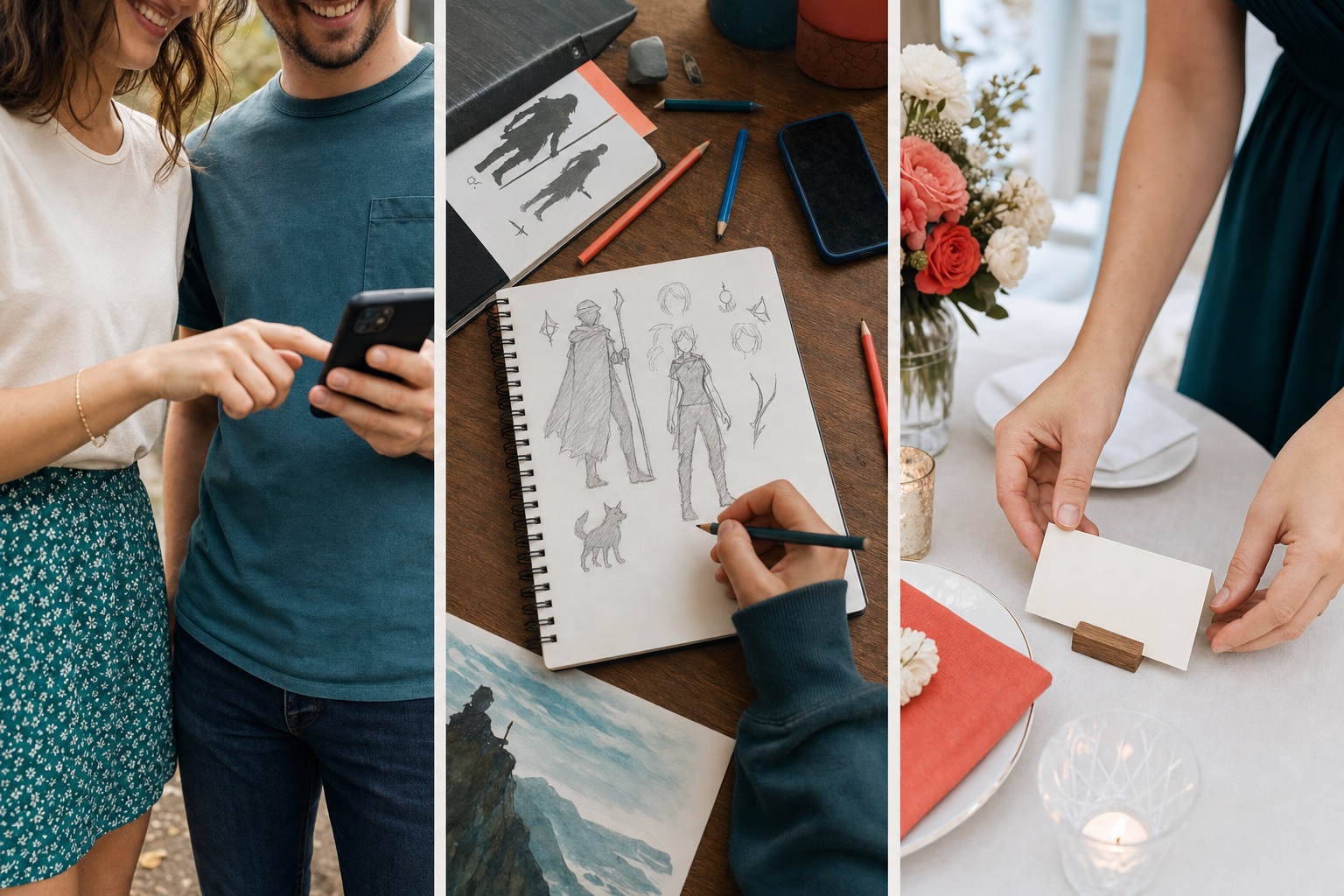
Find a nickname that both people are comfortable saying and sharing.
Use the yumeship setup for an S/I, yumesona, F/O, OC, or poly group, then add one real symbol or trait for each side.
Start with a short base, then check the lowercase hashtag before printing or posting.
Start with your S/I or yumesona and F/O, then test a readable blend, a concept built from both sides, and a full-member format when the relationship is poly.
Start with the relationship
Mira is the S/I or yumesona. Rowan is the F/O or character. Keeping those roles clear makes it easier to judge whether an idea represents both sides.
Mirowan keeps visible material from both names. Mira/Rowan is the safer choice when recognition matters more than compactness.
List two or three motifs for each person, then choose one meaningful signal from each side instead of adding random aesthetic words.
moon + fox
MoonFox
Add Sol as another F/O. A full-member relationship format stays readable even when a compact group blend is still experimental.
Mira + Rowan + Sol
Mira/Rowan/Sol
Generation is the start. Three quick checks prevent most awkward public names.
Ask someone to read the candidate before they see the two source names. A pause or different pronunciation is useful evidence.
Look for an established fandom label, an unrelated brand, an awkward meaning, or another tag that would hide your posts.
Hashtags remove spaces and often hide word boundaries. Check the full string before it reaches a sign, bio, or printed card.
These examples show why a generator should offer several naming systems instead of pretending one score can pick the answer.
Taylor + Travis
Both preserve visible material from the two names. Tayvis is shorter. Traylor keeps more of Taylor's familiar spelling and has established public use. A character-only score cannot know that history, so the tool gives options rather than declaring an objective winner.
For a private couple nickname, say both aloud and choose together. For a public tag, search the spelling and use the label your audience already recognizes.
When the names fight the format
A short letter blend may hide most of one name. If Finn is represented by stars and Ame by rain, concept options such as StarRain, NovaRain, or RainStar can hold more of the pairing's identity.
Concept names work best when both symbols come from real character details, not random aesthetic words.
A ship name is a label for a relationship or pairing. It may be a portmanteau, a slash label, an acronym, or a concept built from character traits and story details.
Yes. Add a third, fourth, or fifth name. The generator keeps a visible fragment from every input and also produces full-name group tags. All-name blends are experimental drafts, so say them aloud before choosing one.
Yes. Choose the Yumeship / selfship setup, enter your name or yumesona and an F/O (fictional other) or character, then add another F/O for a poly yumeship if needed. Two-name blends prioritize shorter, readable options, poly drafts retain every member, and every name and symbol stays in your browser.
No. The current generator runs deterministic rules in your browser. The names and signal words you enter are not sent to a language model.
Yes, as a starting point. Check the full hashtag in lowercase, search for existing use, and ask another person to read it before printing it.
No. A generator cannot establish community usage. Search the fandom, archive, and social platform before introducing a new label.
Naming is a creative choice. The tool filters obvious structural problems, but people and communities decide what sounds natural and carries meaning.
Read the sourced fandom guide, generation method, limits report, and public change history.